That figure comes from a new meta-analysis pooling 20 studies. Once you know it, you start noticing the wine glass in the background of scenes you've watched a hundred times.
What they did
Researchers searched MEDLINE, PsycINFO, and Web of Science for studies that had counted alcohol's on-screen presence in feature films. Twenty made the cut. Each one had coded movies for alcohol: whether it showed up at all, in how many scenes, for how long. Then a random-effects model to pool the numbers, with 95% confidence intervals (CIs) attached.
What they found
The numbers:
- 84% of movies showed alcohol at least once (95% CI: 78-89%)
- Take any random 5-minute segment: a 24% chance alcohol is on screen
- The average movie had 21.3 alcohol-related scenes (95% CI: 3.7-46.4)
- Alcohol held the frame for 263 seconds per movie on average. Just over four minutes.
What it means
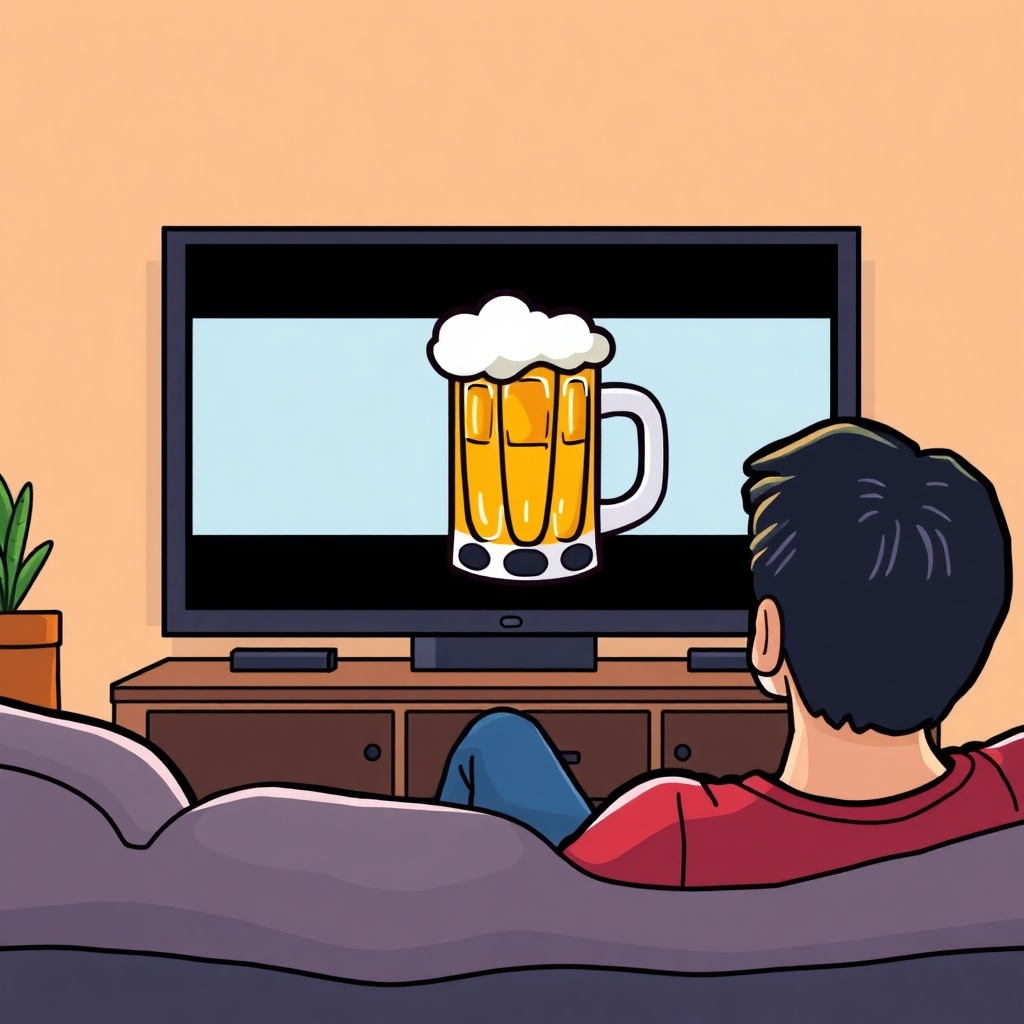
Social modeling is the mechanism researchers point to. You watch characters drink casually, nobody ever pays for it, and the drink starts to look like the default move. It isn't a commercial picking a brand. It's a glass on the table during the hard conversation, in the hand of the character you actually like.
If you track your own drinking, that's useful background. The "normal" you measure yourself against was built in a culture where a bottle is almost always somewhere in the frame. Which doesn't make every sip a media effect. But you may as well know where your baseline came from.
Caveats
Nearly all the studies came from the United States. Other film industries are basically unknown territory here. "Alcohol portrayal" also meant different things in different studies, so the heterogeneity in the pooled numbers is real. Look at the interval for scenes per movie: 3.7 to 46.4. Wide enough to say nobody is sure. Publication bias wasn't formally assessed.
One more caveat, and it's the big one. Every underlying study was a retrospective content analysis. They describe what's on screen, not what watching it does to you. The causal link between exposure and drinking behavior comes from separate research.
Source: International Journal on Drug Policy, 10.1016/j.drugpo.2026.105246