Research, explained
Every article stands on its own: one study, one clear takeaway you can use today.
This week
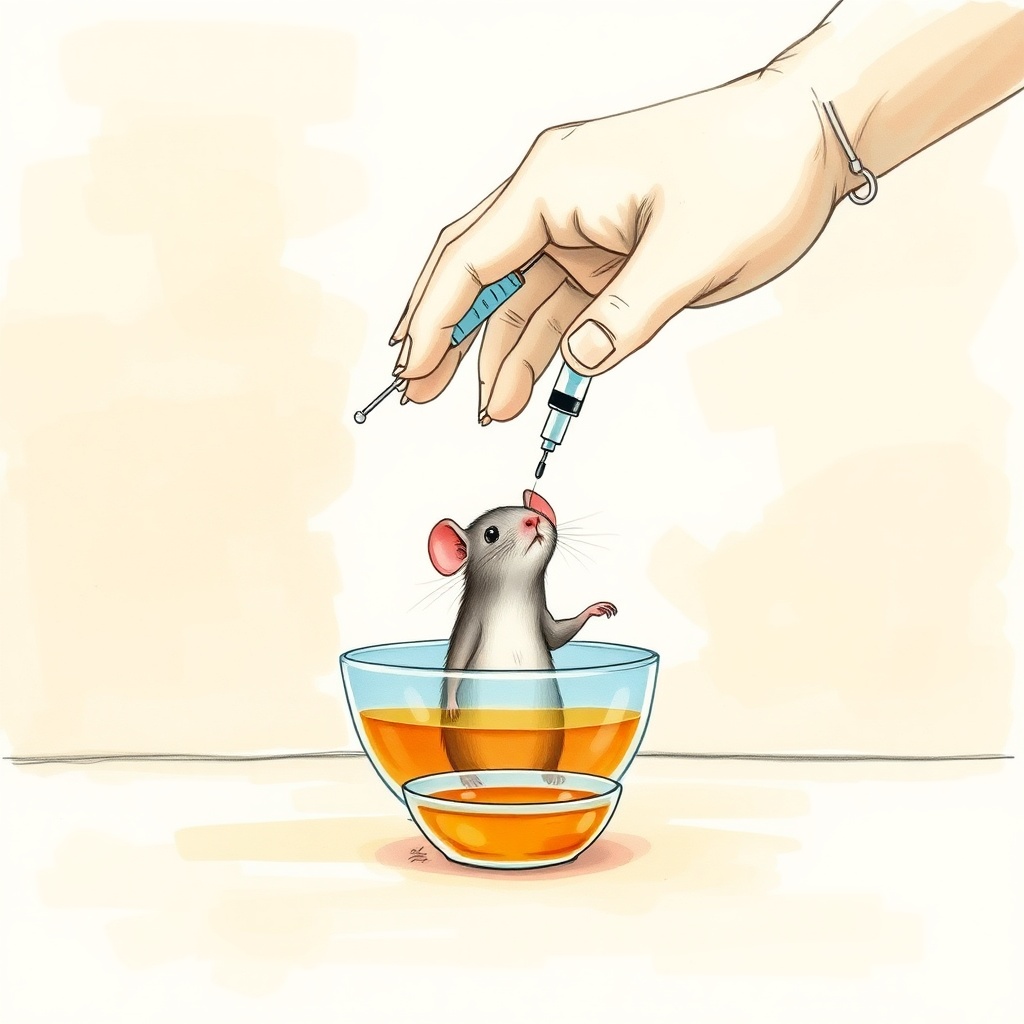
In mice, a diabetes drug curbs alcohol seeking through one brain region
A Neuron editorial explains how the diabetes drug liraglutide curbs alcohol drinking in mice, by acting on GLP-1 neurons in the lateral septum.
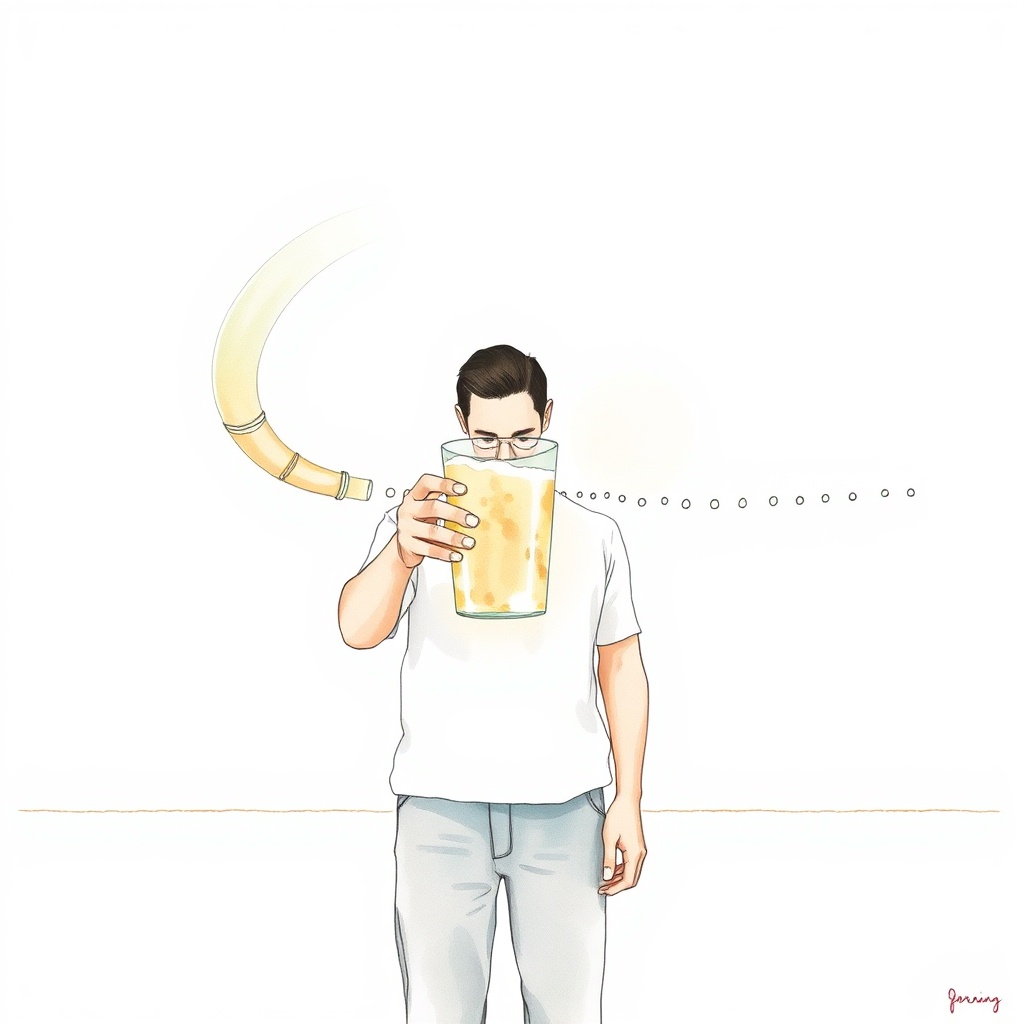
A thick fiber drink before drinking lowered blood alcohol in 20 people
A small crossover trial found a thick fiber drink taken before alcohol lowered blood and breath alcohol for hours. Here's the mechanism, and the catch.

A liver clinic sorted patients by one questionnaire. The middle group cut drinking 44%.
A Japanese liver clinic triaged 932 patients with one AUDIT questionnaire. The doctor-led middle group cut drinking 44% over six months.
Earlier
Greener neighborhoods drank less. Wealthier ones drank more.
A 6,655-person Finnish study: greener neighborhoods tracked with lighter drinking, wealthier areas with more. Physical activity changed nothing.
Even the untreated drinkers cut back. Therapy just did it faster and further.
A 15-month trial found behavioral therapy cut heavy drinking more than no treatment. But the untreated drinkers still drifted downward on their own.
The alcohol-harm paradox: drinking less, getting hurt more in South-East Wales
In Gwent, South-East Wales, poorer areas report drinking less alcohol but suffer more harm. A look at what might explain the gap.
Mice on a diabetes drug lost interest in alcohol, and scientists found the wiring
A mouse study traces how liraglutide, a GLP-1 drug like Ozempic, suppresses alcohol intake through a specific brain circuit in the septum.
Why heavy drinkers carry extra fat around the middle, not just extra weight
A DXA scan study of 5,761 adults finds alcohol tied to more visceral fat, independent of total body fat, in both men and women.
A hangover supplement improved next-day recovery in a 90-person cohort study
A 90-person observational study links the supplement Cheers Restore to better next-day energy, clarity, and sleep after drinking.
Chronic drinking doesn't just damage cells - it starves them of nutrients too
A review of the cellular science shows how chronic drinking damages cells directly and cuts off the micronutrients that could help them recover.
Why people want to drink less - physical health tops the list, but not for everyone
A study of 2,520 alcohol reduction app users finds their reasons for cutting back shift from physical health to control as drinking risk rises.
Three conversations in Spanish, from a neighbor, cut heavy drinking more than a booklet did
A Los Angeles RCT tested a Spanish-language program run by community health workers against a booklet, and tracked heavy drinking for 26 weeks.