Adolescence and early adulthood are the years when the brain's stress-response system is still being calibrated. Drinking usually starts in the same window. A preregistered systematic review in Neuroscience and Biobehavioral Reviews asked what happens when those two processes run at once.
What they did
Three databases: PsycINFO, PubMed, Scopus. Search and screening followed PRISMA (Preferred Reporting Items for Systematic Reviews and Meta-Analyses) guidelines.
The inclusion bar was narrow. Stress had to be induced experimentally, in structured lab tasks, not recalled in a questionnaire. Studies had to track craving, consumption, or physiological stress markers in adolescents and young adults. Twenty-four made it through. The team then scored methodological quality and checked whether results split by the type of stress paradigm used.
What they found
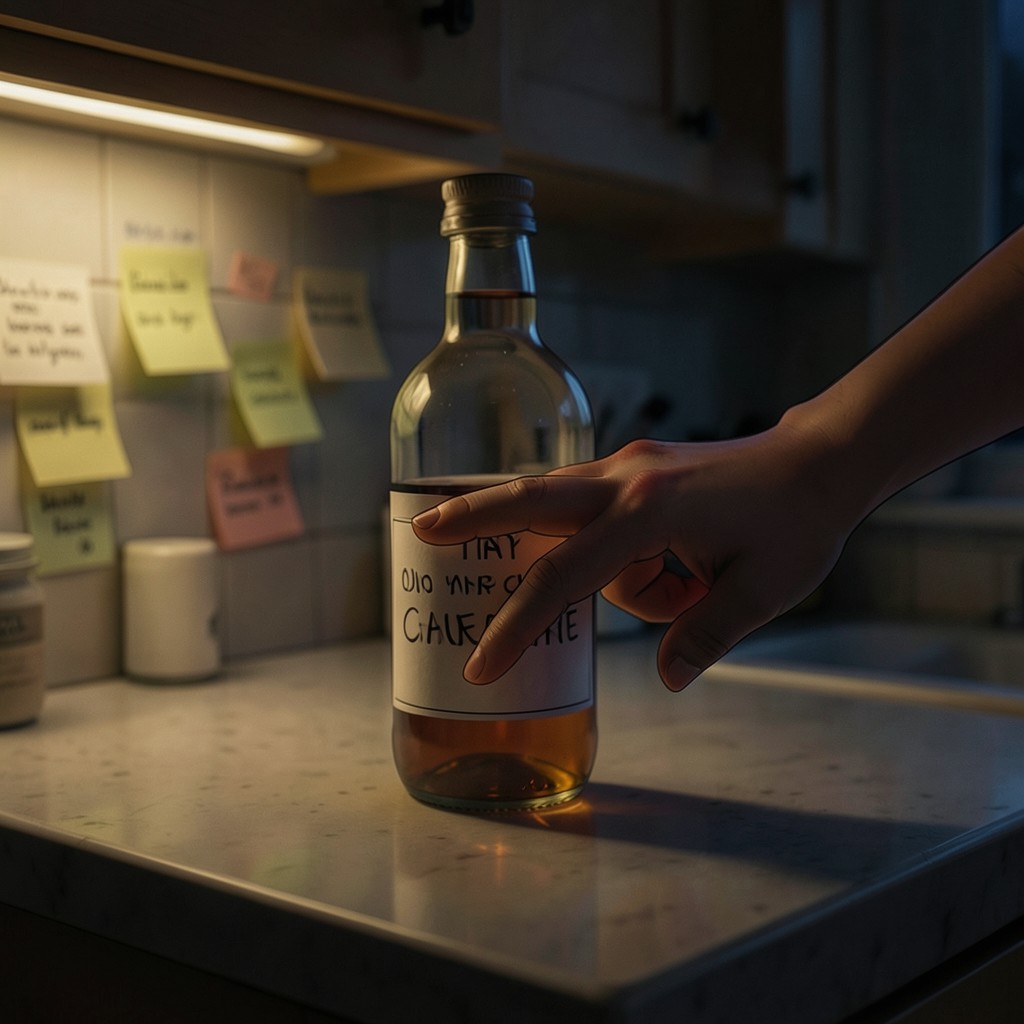
One result held in all 24 studies: acute stress reliably raised alcohol craving, and the effect was strongest in heavier drinkers.
Actual consumption was messier. Whether a stressed participant went on to drink more depended on the stress paradigm, the person's drinking history, and context.
Then the other direction:
- Heavier drinkers showed altered stress reactivity. Their bodies reacted to a stressor differently than lighter drinkers' did.
- They also showed reduced distress tolerance: sitting with discomfort without reaching for relief was harder for them.
So stress pushes toward alcohol, and alcohol reshapes the system that handles stress. That loop is what the review set out to trace.
What it means
Coverage of this topic usually runs one way: stress leads to drinking. The second half is the part that gets dropped. Drinking patterns, over time, look like they lower a person's capacity to handle stress without a drink. And that gets set up early, while the stress architecture is still forming.
Practical version, for anyone watching their own drinking: none of this is fixed. How much you drink shapes how your stress system reacts. How your stress system reacts shapes how much craving a bad week produces later.
Caveats
Lab stress is not life stress. All 24 studies used induced stressors, structured tasks under controlled conditions, which may not capture how a genuinely bad day moves a drinking decision. The studies also varied enough in method that comparing them head to head was difficult. And 24 is a thin base. Publication bias sits on top of that: null results that never got published would soften the picture.
Source: Neuroscience and Biobehavioral Reviews, 10.1016/j.neubiorev.2026.106763