I've read a lot of addiction research that treats recovery as something happening entirely inside a person's head: willpower, cravings, relapse triggers. This study pushes back on that a little. It asks whether your zip code matters too.
What they did
Researchers ran a secondary analysis on data from a randomized clinical trial for alcohol use disorder (AUD). Ten research sites across the US, 1,726 participants. Six months after treatment ended, they measured how often people were doing things that didn't involve alcohol - hobbies, social outings, anything that filled the evening. Then they tracked heavy drinking frequency six months after that, at the 12-month mark.
They also pulled in data on the economic health of each participant's community and tested whether that changed the relationship. The model they used, Bayesian multilevel modeling, just means they looked at the individual level and the community level at the same time, instead of treating everyone as if they lived in the same environment.
The theory behind this comes from Warren Bickel's "reinforcer pathology" model. The basic idea: people with substance problems tend to overvalue small rewards available right now (a drink tonight) over bigger rewards they'd have to wait for (health, savings, relationships). Alcohol crowds out everything else as a source of reward. This study adds a twist. If your environment doesn't offer many other rewarding things to do, alcohol has less competition to begin with.
What they found
- People who did more alcohol-free activities at 6 months post-treatment drank heavily less often at 12 months.
- That link wasn't the same for everyone. It was noticeably stronger among participants living in more economically disadvantaged communities.
- The abstract doesn't give the exact effect size for the moderation, just that it was significant, so I can't tell you how many fewer heavy drinking days this translates to. Worth keeping in mind before treating this as a precise dose-response finding.
What it means
The part that stuck with me is the moderation effect, not the main one. Sober activities helping recovery isn't news. Them helping MORE when someone has fewer resources is.
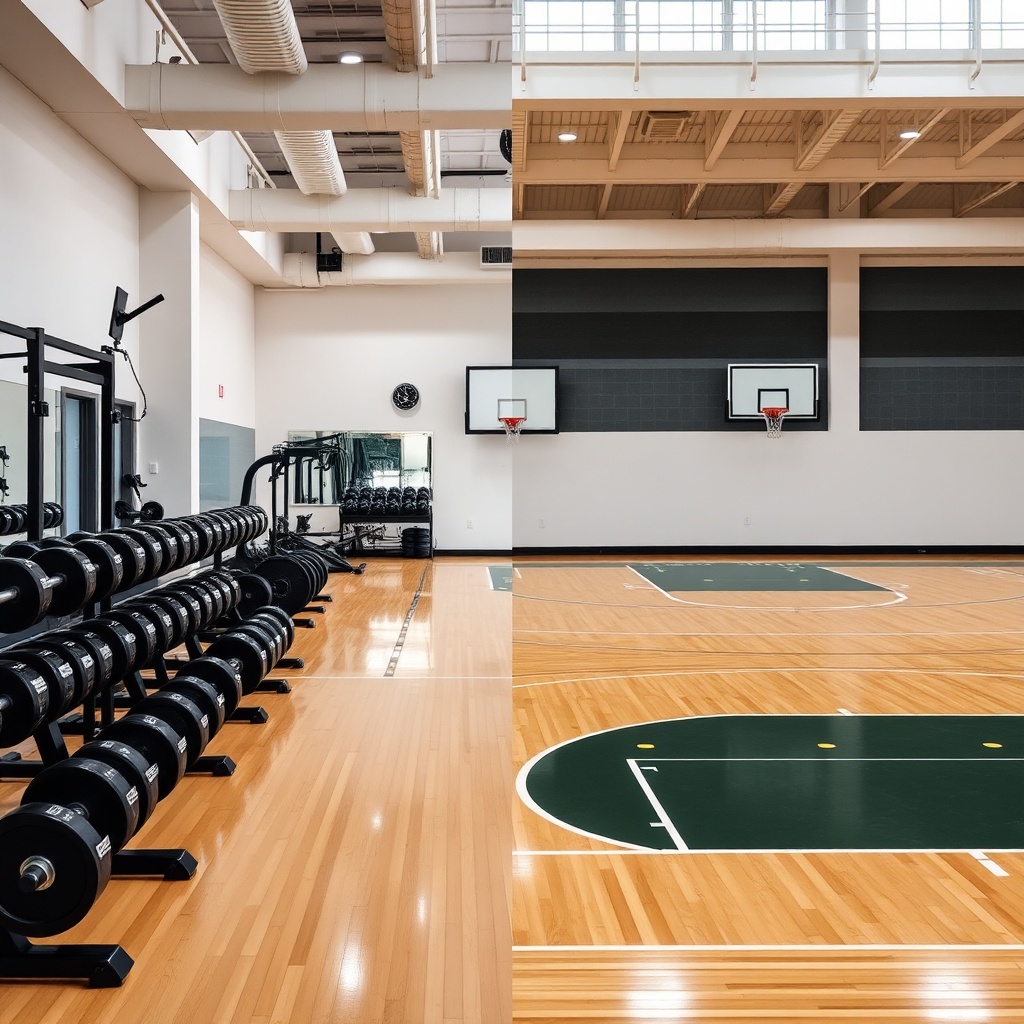
One read: in wealthier communities, people already have built-in alternatives to drinking - gyms, hobby infrastructure, safer social venues, more spare time. Telling someone there to go do something else adds less. In poorer communities those alternatives are scarcer to start with, so deliberately doing something alcohol-free carries more weight. It's not that people in disadvantaged communities need more willpower. They may just have fewer non-drinking rewards competing for their attention, and the ones they can find matter more.
This is a secondary analysis, not a study built from scratch to test this question. So reverse causality is a real possibility: people who are already recovering well might simply have more energy to go do things. That doesn't erase the finding. It does mean I'd treat this as a hypothesis worth testing directly, not settled proof.
If the pattern holds up, access to alcohol-free social and recreational spaces looks less like an optional extra layered on top of clinical treatment, and more like part of the infrastructure of recovery - especially in lower-income areas.
Source: Journal of the Experimental Analysis of Behavior, DOI